The CSX Coal Pier processes an estimated 2–4 million tons of coal annually, making it a major industrial export hub. This volume requires continuous rail deliveries, large-scale open-air storage, and vessel loading operations, all of which contribute to sustained environmental exposure.
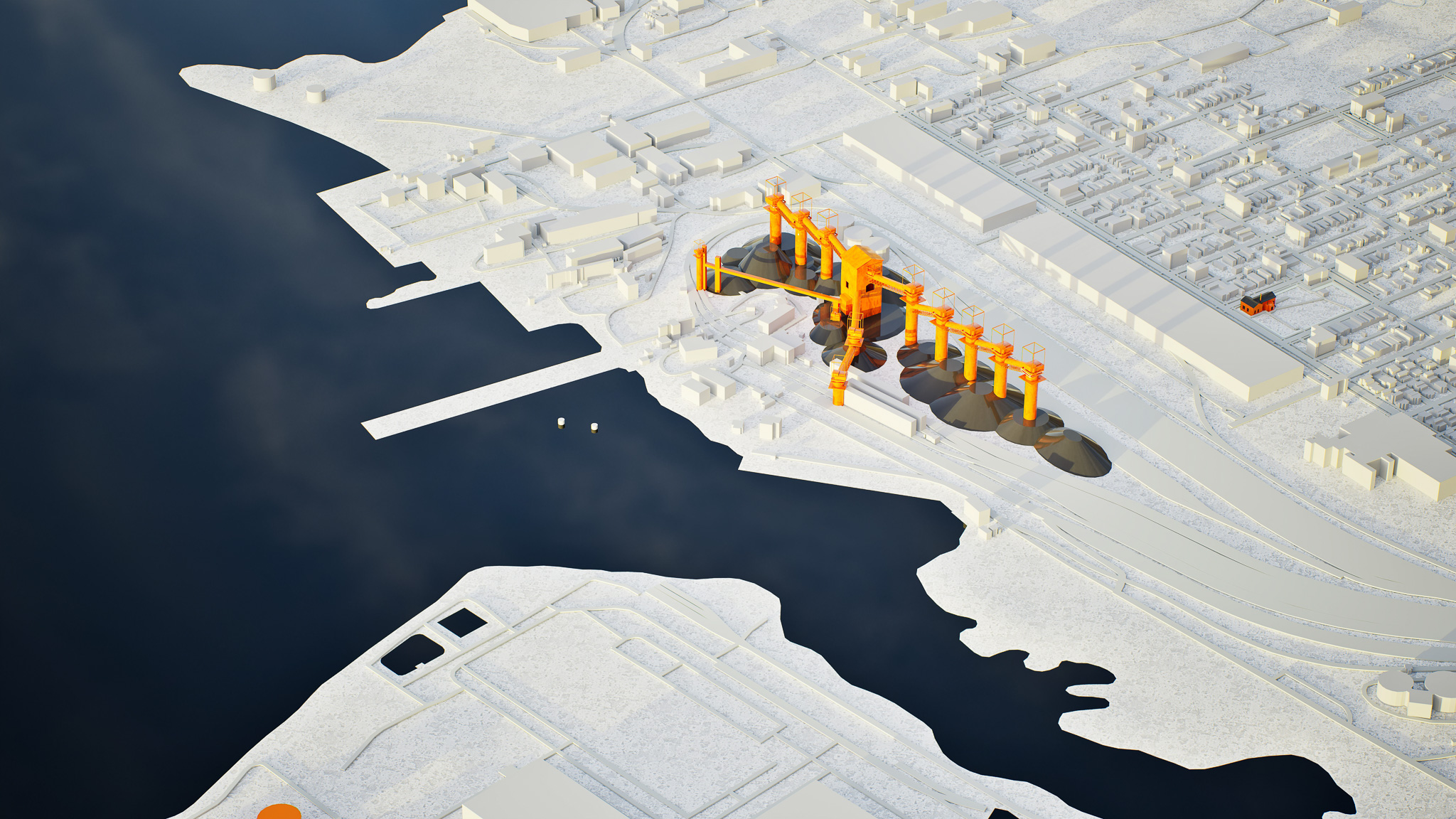
CSX
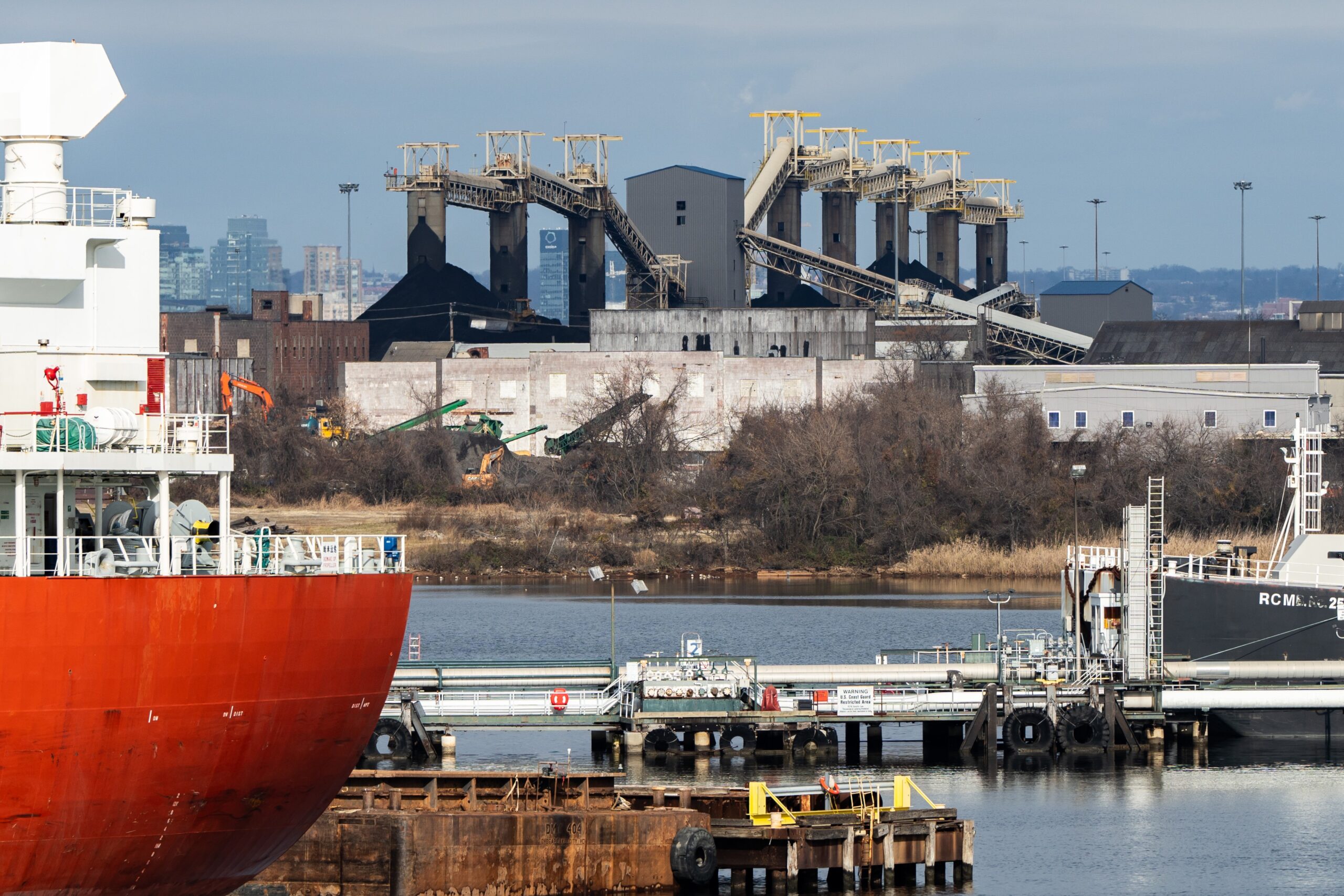
One of the biggest polluters in Curtis bay.
The CSX open-air coal terminal is a major source of pollution in South Baltimore. The facility has operated as a coal export terminal since the early 20th century, serving as a critical link in CSX Transportation's coal shipping network.
The Context
The terminal receives coal via rail and transfers it to vessels for export, handling millions of tons of coal annually.
The open-air design of the facility means coal is stored, transferred, and loaded without enclosed structures or adequate dust suppression systems. These operations have contaminated air, soil, sediment, and waterways with coal dust and associated pollutants for over a century.
According to environmental monitoring data, polluting activities at the terminal include: rail unloading operations, open-air storage of coal in massive piles, conveyor transfer systems, and vessel loading operations. These activities have contaminated the surrounding environment with hazardous substances including coal dust particulate matter (PM2.5 and PM10), heavy metals (arsenic, lead, mercury, selenium), polycyclic aromatic hydrocarbons (PAHs), and volatile organic compounds.

Impact Summary
2-4
Million Tons of coal processed
5–10
Year Reduction in Life Expectancy
Residents in Curtis Bay face a 5–10 year lower life expectancy compared to wealthier areas. This reduction is linked to cumulative exposure from multiple industrial sources, with the coal terminal being a primary contributor to degraded environmental and health conditions.
100+
Years of operation
The facility has been in operation for over a century, meaning pollution has accumulated across generations. This long-term activity has resulted in persistent contamination of air, soil, and waterways, with no comprehensive remediation effort implemented to date.
The Curtis Bay community, particularly residents living within a half-mile radius of the coal terminal, faces elevated health risks from chronic exposure to coal dust and associated pollutants
Against All Odds
Despite decades of community complaints and documented environmental violations, CSX has resisted implementing comprehensive pollution controls. The facility continues to operate with minimal dust suppression, relying primarily on water sprays that are inadequate during high-wind conditions and are often not deployed consistently.
Beyond Regulations
Maryland Department of the Environment (MDE) has documented numerous violations at the site, yet enforcement has been inconsistent and penalties insufficient to drive meaningful operational changes. The facility has never been designated for comprehensive cleanup under Superfund or similar programs, despite clear evidence of environmental contamination.
Curtis Bay residents experience asthma hospitalization rates double the Baltimore City average, which is already elevated compared to state and national rates. Children in the 21226 ZIP code face disproportionate respiratory health burdens.
New Discovery
MDE
Listed Penaltiees
Dust Contamination
2011
Notice of violation for visible emissions and fugitive dust.
Air Quality
2014
$30,000 penalty for air quality violations.
Water Contamination
2020
$55,000 penalty for stormwater and air quality violations
Meaning
Pollution Burden
- CSX Coal Terminal
- Chemical manufacturers
- Waste transfer facilities
- Heavy truck and vessel traffic
- Wastewater treatment plant
- Former industrial sites
Insight
Culture pulse & insights
The Agency for Toxic Substances and Disease Registry (ATSDR) has stated that “…the Yard poses no threat to public health.” However, the ATSDR states that “contaminants from the Yard’s former operations could have migrated into Curtis Creek and Arundel Cove… some VOCs, SVOCs, pesticides, PCBs, and metals were detected in surface water and sediment samples near the Yard.”
A Timid Response
- South Baltimore experiences some of the worst air quality in Maryland
- PM2.5 concentrations frequently exceed EPA health standards
- Residents report visible coal dust on homes, cars, and streets
The CSX Coal Pier represents a clear case of environmental racism and corporate negligence, where a profitable corporation externalizes health costs onto a working-class community that lacks the political power to shut down the pollution source. We continue to fight for justice, accountability, and a healthy future for Curtis Bay.
Impact Testimony
Community Resistance Groups
1
Residents of Curtis Bay Association: Long-standing community group advocating for neighborhood protection
2
Curtis Bay-Brooklyn Communities Healthy Air Collaborative: Coalition demanding air quality improvements
3
Free Your Voice (formerly South Baltimore Community Land Trust): Youth-led organization that successfully fought the nation’s largest trash-burning incinerator (Energy Answers) proposed for Curtis Bay
4
South Baltimore Community Land Trust: Working for environmental and housing justice
Community Resistance
“It felt like a bomb went off. My whole computer shook… It was really scary, we thought that maybe a house blew off”
Community Member
Recorded note presented by Carlos testifying at CSX Coal Explosion Hearing
“The CSX terminal is one of the oldest and dirtiest in the United States”
Ariel says, no coal in Curtis Bay!
Community hearing. 16 Oct. 2024

Discover Other Sites
New Discovery
2018
Rains unearth solid waste from WWII
Return client rate
2011
Notice of violation for visible emissions and fugitive dust.
New Discovery
2018
Rains unearth solid waste from WWII
Return client rate
2011
Notice of violation for visible emissions and fugitive dust.